










Introduction to Nativität
The phrase “Nativität” conjures up feelings of welcoming, delight, and deep cultural importance. Many people see it as a symbol of a complex tapestry of traditions strung together over the ages, not limited to the birth of Jesus Christ. This term encompasses more than just a historical event; it represents a universal symbol of hope and togetherness that people from all walks of life celebrate.
As we explore the history, significance, and traditions around Nativität, you will see how this beloved idea is still meaningful to us today. Come with us as we travel through the ages to discover the meaning of Nativität for people all around the world.
The Origin and History of Nativität
In Christian tradition, the idea of Nativität is deeply ingrained. A crucial event commemorated all across the globe, it alludes to the birth of Jesus Christ.
It was during the first several centuries of Christianity that this celebration first began. In the fourth century, when December 25 was designated as the date for Christ’s birth, the first documented celebration took place. Preexisting pagan ceremonies honouring the winter solstice occurred at the same time as this selection.
As Christianity expanded throughout Europe, local traditions started to influence the way Nativity was celebrated. A diverse tapestry reflecting spiritual devotion and local heritage emerged as a result of each culture’s incorporation of its distinctive traditions into Christmas festivities.
During the Renaissance, nativity scenes were popular as a means of artistically representing the importance of this monumental event. These depictions are more than merely ornamental; they have deep theological significance about the historical prospects of hope and salvation.
The Meaning and Symbolism of Nativität
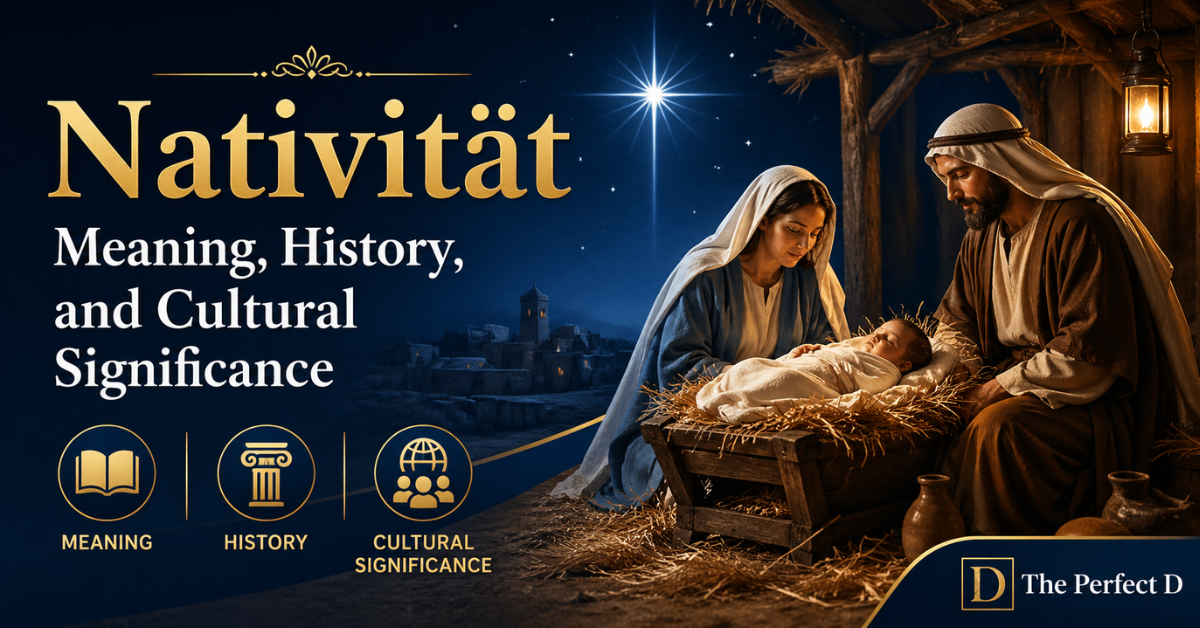
Nativität is more than simply a birth; it represents hope, new beginnings, and a fresh start. The nativity scene, a visual narrative of Jesus Christ’s birth, is fundamental to this idea.
The characters in these situations all have important roles to play. Mary is a symbol of innocence and kindness, whereas Joseph is a symbol of strength and direction. The appearance of angels heralds good news, tranquillity, and the involvement of the divine.
Animals included in nativity scenes frequently represent meekness and simplicity. Greatness may reside in the most humble of settings, as they so aptly demonstrate.
As an example of how faith can carry one through the shadows, the star that guided the wise men is a symbol of light. Every facet of nativitäts traditions speaks to universal themes like love, redemption, and human solidarity, and they all serve as reminders that every life has the power to become something better.
Traditional Celebrations and Customs of Nativität
Customs that differ across civilisations abound in traditional Nativity celebrations. German “Krippen” (or extravagant nativity scenes) are a shared characteristic. During the Christmas season, many families showcase these elaborate representations of Jesus’ birth.
Carolling is an important part of many cultures. Singing traditional hymns is a great way for communities to come together and celebrate. It is a sincere demonstration of unity and faith, not only music.
Eating is also a crucial part. Delicious meals are made, paying homage to the local cuisine and serving as a symbol of thanks and plenty.
During religious or communal celebrations, children in certain countries act out the Nativity tale. This tradition encourages involvement and creativity while teaching the next generation about this pivotal period in Christian history.
These traditions help make Nativität a special time for loved ones to gather, which in turn strengthens the bonds of community and the shared ideals held by people of all backgrounds.
How Different Cultures Celebrate Nativität
Around the world, people celebrate Nativität, with local traditions enriching the celebrations in their own special ways. Latin American celebrations revolve around lively parades and neighbourhood get-togethers. Traditional “nacimientos,” or ornate nativity scenes, are a common way for families to celebrate Christmas and share their culture with others.
Twelve dishes, symbolising the apostles, are traditionally served on Christmas Eve meal in Eastern Europe, particularly Poland. This dinner follows a night of telling tales about the Nativity, including characters like Mary and Joseph.
El Gordo is a unique lottery that the Spanish celebrate with their children. During this joyous event, loved ones gather to toast the new year and exchange wishes for good fortune.
On January 5th, the Italian witch “La Befana,” who is linked with the Epiphany, makes house calls to distribute presents. These beloved Nativität festivities include each culture’s heritage. The variety deepens our comprehension of this momentous season.
Modern Interpretations of Nativität
Contemporary readings of Nativität incorporate both classical and modern ideas. The Nativity tale has been reinterpreted by artists, filmmakers, and writers in order to connect with modern audiences.
Diverse representations from many cultures and origins may be seen in numerous artworks. Hope, love, and renewal are universal concepts that are emphasised by this inclusion.
Novel forms of expression are also a product of the digital era. Online, you may find virtual nativity scenes that families can use to have fun and learn about this classic story.
Additionally, imaginative retellings abound on social media sites. Storytelling in the modern era is less concerned with religious adherence and more with empathy and community participation.
Nativität adapts to our changing reality and continues to stimulate creativity through these numerous lenses. The core idea is the same: the spirit lives on through the celebration of new beginnings in whatever form.
Conclusion: Why Nativität is Still Relevant Today
All around the globe, nativität is still very much alive and well as a cultural manifestation. Its meaning goes beyond simple tradition; it embodies ideas of rebirth, solidarity, and optimism. The essential nature of Nativität changes with the times while maintaining its fundamental teachings.
The party provides an opportunity for quiet contemplation in the middle of the mayhem of modern life. It encourages individuals to embrace communal ideals and get in touch with their ancestral heritage. Many people feel a profound connection to the Nativity tales and symbolism because they remind us of our common humanity.
Diverse populations are able to better understand one another as they observe this event with their own distinct traditions. This intricate fabric serves as a memorial while simultaneously igniting discussions around religion and community.
The continued popularity of Nativität in these trying times is indicative of the universal need for community. The spirit reflects the kind of welcoming hospitality that can bring people of all ages together, whether for joyous celebrations or more reflective times of reflection.
No matter how much we evolve as people and as a society, the bonds we have with those closest to us remain constant; this is the profound message of the yearly celebration of Nativität.
Read More: Fkstrcghtc Guide: Everything You Need to Know Today