








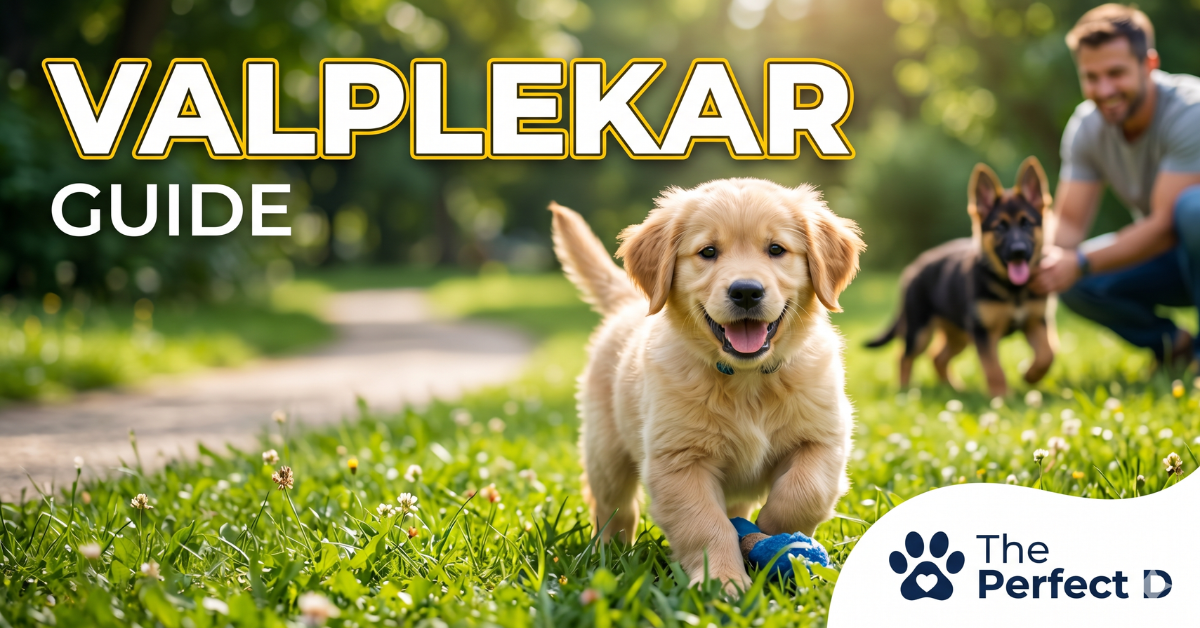
Bringing a new dog into your home is an exciting, hilarious, and occasionally chaotic ordeal. Even the darkest days may be lifted by their limitless energy and unwavering affection. This cute little furball, however, does come with the duty of training and taking care of it. Here is where Valplekar comes in to help you navigate those initial phases.
There will be moments when you feel overwhelmed by the thought of figuring out how to raise your new puppy, but have no fear! Prepare yourself for this fulfilling adventure with professional guidance on setting routines and dealing with behavioral challenges. Now that we’ve covered the basics, let’s get into what it takes to raise a happy puppy that will grow up to be a beloved family member!
The Importance of Proper Puppy Training and Socialization by Valplekar
The cornerstone of a well-behaved dog is a well trained puppy. It’s about more than simply teaching your pet tricks; it’s about building a bond of mutual respect. By establishing a rapport based on trust, positive reinforcement techniques like praise and treats facilitate learning.
At the same time, socialization is critical at this young age. Your puppy will gain self-assurance as it learns to explore the world by exposing it to different places, people, and animals. Anxiety and worry in future unknown circumstances are lessened by this experience.
Regular, brief training sessions are ideal. Puppies do best in stimulating environments that provide enjoyable challenges, yet they have limited attention spans.
No matter what, you must be patient. Along the process, you and your puppy will both make mistakes. Embrace these moments since they are a part of raising a well-adjusted companion that understands their role in varied environments.
Setting a Routine for Your New Puppy by Valplekar
Getting your new dog used to a schedule is a must. Because of this, they are able to relax and enjoy the routine. They learn better when they have a regular routine.
Establish consistent feeding times as a first step. Both digestion and housebreaking will benefit from this. Establish regular schedules for your puppy’s activities, such as eating, playing, and potty breaks.
Make exercise a regular part of your schedule. Puppy energy is inexhaustible, so it’s important to burn it off with brief walks or play sessions. Doing so improves your well-being and deepens your connection.
Rest and relaxation are equally important! You may help your dog adjust to its new home by establishing regular nap times.
Maintain a calm and accommodating demeanor while you establish this regimented environment. It could take longer for some puppies than others to fully adjust because they are all different.
Creating a Safe and Loving Environment for Your Puppy
For your puppy’s healthy development and contentment, it is crucial to provide a warm, welcoming home. Make sure kids have a special place to unwind and feel safe by creating one. They find solace in a warm bed tucked away in a peaceful nook.
Get rid of anything that might hurt someone, such poisonous plants or tiny things. To keep your puppy safe from harm while they explore the house, it is important to puppy-proof it.
Integrate reinforcement into your everyday routine. Acknowledging and rewarding positive conduct with affection, food, and praise will improve your relationship.
Toys not only keep their minds active and engaged, but also allow kids to safely release excess energy. Keep things interesting by switching out their toys often.
Take the time to play with your dog every day. Their emotional bond with you and the trust you earn from them will endure a lifetime thanks to these exchanges.
Healthy Diet and Exercise for Puppies
The development and growth of your puppy depend on his or her eating a balanced diet. Select nutritious, age-appropriate food that is of good quality. To complement their busy lifestyle, seek out foods that are high in protein, vitamins, and minerals.
Adult dogs’ dietary needs differ from those of puppies. For advice on when and how much to feed your pet, see your vet. Stay away from eating too much; being overweight might cause major health problems in the road.
Exercise on a regular basis is also crucial. Keeping a healthy weight and being physically well are both helped by it. Interacting toys, short walks, or yard play keep them occupied.
Engage in a variety of activities that challenge your mind and body. Puppy playdates are a great way for them to meet new people, get some exercise, and socialize with other puppies.
Always keep in mind that the needs and energy levels of puppies might vary greatly. Be mindful of their signals; playtime should be enjoyable without being overly demanding.
Tips for Housebreaking Your New Puppy by Valplekar
An orderly household is the result of thorough housebreaking of your new dog. Get in the habit of taking regular pauses to use the restroom. Remove them before you start your day, after you eat, and right before you go to sleep.
Find an outdoor area that is just for them to relieve themselves. This aids in solidifying the connection between that spot and going potty. Positive reinforcement works wonders, so be sure to praise them whenever they go to the correct spot.
Be patient since accidents do happen. Instead of scolding your dog, gently lead them outdoors if you see them misbehaving indoors. Quickly use an enzymatic cleanser to remove any lingering smells after an accident.
You could also want to think about crate training your dog, as it’s in their nature to not pee in their bed. When utilized properly, a comfortable crate may provide as a source of protection while also assisting with housebreaking attempts. Maintaining a consistent and compassionate attitude during this learning process is crucial.
Common Behavioral Issues in Puppies and How to Handle Them
Although they are cute and cuddly, puppies usually have their fair share of behavioral issues. For training to be effective, it is essential to understand these concerns.
Excessive barking is a typical issue. Possible causes include anxiousness and boredom. To control this behavior, try playing with them or redirecting their attention with toys.
Damage to furniture and shoes from chewing is another problem. Puppies need many of chew toys to sate their insatiable curiosity.
Assaulting individuals? This is such a timeless puppy motion! To avoid accidentally knocking down new pals, teach your furry pet to “sit” when they welcome them.
When a child is first learning to use the potty, accidents are common. Maintaining a consistent schedule of taking children out and quickly rewarding their accomplishments is crucial.
When you see these actions in your puppy early on, you can correct them quickly, setting the stage for a well-behaved adult dog.
Building a Strong Bond with Your Puppy
The key to a long and happy life with your dog is a solid relationship. The first step is to make it a priority to do things you both like together. Activities that bring you together, like playing fetch or taking walks, deepen your bond.
Keep everything consistent. Building trust and understanding requires sticking to routines and using the same commands. Having a routine can help your puppy feel safe around you.
Additionally, positive reinforcement is quite effective. Give them a reward, compliment them, or let them play if they behave well. As you strengthen your bond with your puppy, he or she will be more likely to mimic your actions.
Physical touch is important! The emotional bonds between you two can be strengthened by cuddling and tender touching.
Bonding is facilitated by patience. Showing patience teaches pups that they can depend on you as a caring friend, regardless of their own personality or learning rate.
Conclusion
An adventure full of love, fun, and learning awaits you as you bring a new puppy into your home by Valplekar. A well-adjusted companion may be yours if you put an emphasis on training and socializing. A puppy’s sense of security and predictability can be enhanced by establishing a regular schedule.
Fostering their natural curiosity in a risk-free setting will allow them to explore without fear. Their healthy development into active adults is facilitated by a balanced diet and frequent exercise.
While housebreaking might be a patient process, it is possible to achieve success with the help of appropriate tactics. Interactions can go more smoothly in the long term if typical behavioral difficulties are addressed early on before they become habits.
The best way to develop trust with your pet is to spend quality time together doing things like playing, training, and snuggling. Enjoy every second of this journey with me; it will be worthwhile in the end. Every puppy is different, so to get the most out of these suggestions from Valplekar, adjust your approach based on your puppy’s personality.
Read More: NovaPG Guide: Features, Benefits, and Everything You Need to Know