








Introduction to dentiloquent and Its Origins
Have you ever thought about how much your teeth influence the way you communicate? While most people focus on words, there’s a fascinating and unique aspect of speech that involves our chompers: dentiloquent. This art form goes beyond mere pronunciation. It harnesses the power of our dental structure to convey meaning in ways we often overlook.
From ancient civilizations to modern-day practices, dentiloquent speech offers an intriguing glimpse into communication’s evolution. As we explore this captivating topic, prepare to discover how what’s hidden behind your smile can transform the way you express yourself. Whether you’re curious or skeptical, dive into the world of speaking with your teeth and uncover its secrets!
The Role of Teeth in Communication
Teeth play a surprising role in how we communicate. Beyond their function for eating, they shape our speech and influence articulation. The position of the tongue against the teeth is crucial for producing certain sounds.
For example, the “th” sound found in words like “think” or “that” relies heavily on proper dental placement. Without teeth, many phonetics would be challenging to master.
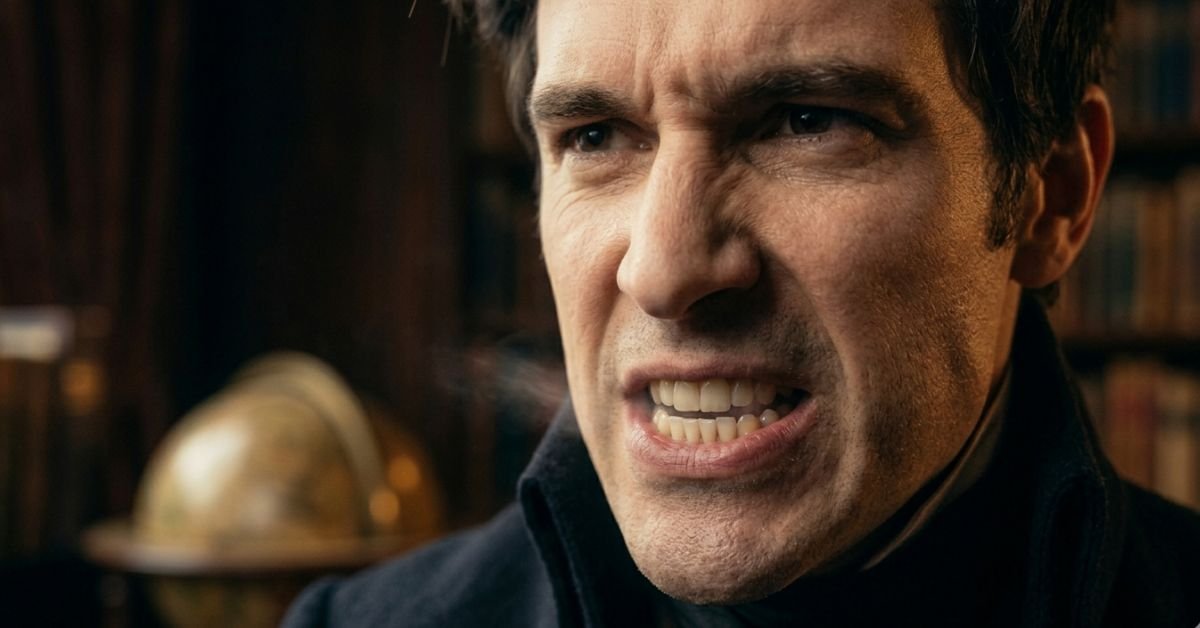
Moreover, expressions involving smiles or frowns can convey emotions effectively. A simple grin often communicates friendliness, while tightly clenched jaws might signal anger or discomfort.
In some cultures, showing teeth during conversation signifies trustworthiness and openness. This non-verbal cue is just as important as spoken language when it comes to understanding intention.
Even subtle shifts in one’s dental display can alter meaning entirely—adding layers to communication that are often overlooked yet fundamentally significant.
Examples of Dentiloquent Languages/Linguistic Features
Dentiloquent encompasses various languages and linguistic features that showcase the unique relationship between teeth and speech. One fascinating example is the use of dental consonants, where tongue placement against the upper teeth creates distinct sounds.
Languages like Thai and some dialects of Arabic utilize these sounds prominently. This adds a layer of complexity to pronunciation that can be both challenging and captivating for learners.
Another example comes from indigenous communities in South America, where specific whistles mimicking tooth clicks convey messages across vast distances. Here, dentiloquent expression transcends mere conversation.
These varied forms illustrate how essential teeth are not just for eating but also for communicating nuanced ideas and emotions within cultures worldwide. Each instance reflects an incredible adaptability in human communication strategies influenced by anatomy.
Advantages and Disadvantages of dentiloquent
Dentiloquent offers a fascinating way of communication, but it comes with its own set of pros and cons.
On the positive side, speaking through your teeth can create an intimate connection between individuals. It fosters uniqueness in expression that sets speakers apart from conventional dialogue.
Moreover, for those who are hard of hearing or have speech impediments, dentiloquent methods provide alternative ways to convey thoughts and feelings effectively.
However, challenges arise with this style of communication. Not everyone understands these unique sounds or gestures. This can lead to misunderstandings or frustration during interactions.
Additionally, mastering the art requires practice and confidence, which not all may possess. The subtleties involved can deter some people from embracing this form of language altogether.
Techniques for Mastering Dentiloquent Speech
To master dentiloquent speech, start by observing how your teeth naturally impact sounds. Experiment with different articulations. Notice which letters require more emphasis from your dental structure.
Practice in front of a mirror to gain confidence. Pay close attention to the way air flows between your teeth and lips. This visual feedback can enhance clarity in pronunciation.
Consider recording yourself speaking. Listen for nuances that may reveal areas for improvement. It’s an eye-opening experience that allows you to fine-tune your skills.
Engage with others who appreciate this unique form of communication. Join workshops or online forums dedicated to dentiloquent. Sharing experiences will expand your understanding and help refine your technique.
Be patient with yourself as you develop this skill set over time. Consistency is key when crafting effective dentiloquent speech patterns that resonate well with listeners.
The Evolution of dentiloquent in Modern Society
Dentiloquent has transformed significantly in our fast-paced world. Once a niche form of expression, it now garners attention from various cultures and communities eager to explore its potential.
In modern society, social media plays a pivotal role. Platforms like TikTok showcase creative uses of dentiloquent techniques, sparking interest among younger audiences. This exposure encourages experimentation with sound and pronunciation using teeth as instruments.
Additionally, professional fields are embracing this unique communication style. Actors and performers often incorporate dentiloquent into their craft for character development or comedic effect. It adds an intriguing twist that captivates audiences.
As globalization increases cultural exchange, traditional forms of dentiloquent blend with contemporary language trends. New linguistic features emerge, reflecting societal changes while enriching the art itself. The evolution continues as people redefine how they connect through speech using their most fundamental tools: their teeth.
Conclusion: Embracing the Art of Speaking with Your Teeth
The art of speaking with your teeth, or dentiloquent, opens up a fascinating world where language and anatomy intersect. It invites us to consider not just what we say but how we express ourselves through the unique tools we possess. As you explore this unconventional mode of communication, it becomes evident that our teeth play an essential role in shaping sounds and meanings.
Embracing dentiloquent expression can enrich conversations and foster deeper connections. It encourages creativity in how we convey thoughts and emotions while reminding us that language is far more than mere words; it’s also about the ways we use our bodies to communicate. Whether you’re intrigued by its historical significance or eager to develop your own skills, there’s no denying the allure of this distinctive form of articulation.
As society evolves, so too does our understanding and appreciation for diverse forms of speech. The journey into dentiloquent is one worth taking—celebrating the ingenuity hidden within each smile provides a refreshing perspective on communication as a whole. Let’s keep exploring these nuanced expressions with curiosity and enthusiasm, recognizing the beauty inherent in every sound produced by our remarkable human apparatus.