










Introduction to Asbestlint
Asbestlint, a term that might not ring a bell for everyone, hides a dangerous history beneath its seemingly innocuous surface. While it was once heralded for its durability and fire-resistant properties, this material poses significant health risks that can’t be ignored. For homeowners and builders alike, understanding asbestlint is crucial—not just to protect your property but also to safeguard your health. In this article, we’ll explore the many facets of asbestlint: from its historical use and common applications to identifying potential hazards and managing risks effectively. Join us on this journey to uncover the truth behind asbestlint and learn how you can stay safe in environments where it may lurk.
The History of Asbestlint Use
Asbestlint, a material composed of asbestos fibers, has a storied past that dates back to ancient civilizations. Used for its remarkable heat resistance and durability, it quickly gained popularity in construction and manufacturing.
During the Industrial Revolution, it became a go-to choice for insulation in buildings and ships. Its ability to withstand high temperatures made it invaluable in factories and power plants.
However, by the late 20th century, awareness of its health dangers began to surface. Studies linked asbestos exposure to serious illnesses like mesothelioma and lung cancer. This shift led many countries to restrict or ban its use altogether.
Today, while some regions still grapple with legacy issues from asbestlint products installed decades ago, others have moved towards safer alternatives. The history of this hazardous material is a stark reminder of how industrial advancements can come at a hidden cost.
Common Uses of Asbestlint
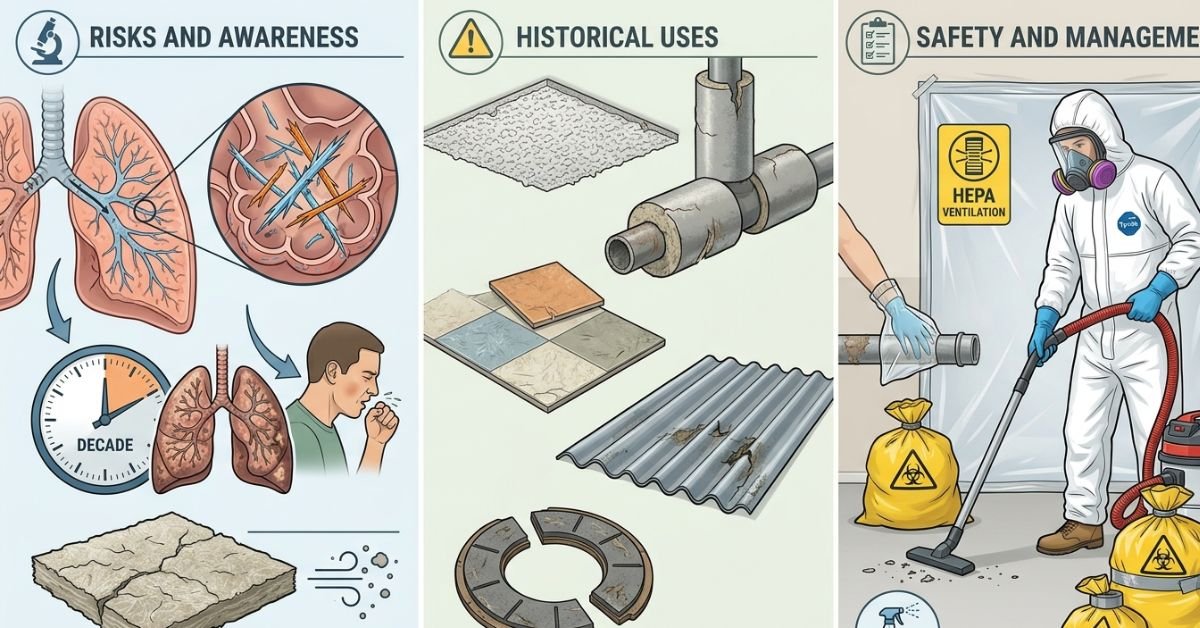
Asbestlint, or asbestos tape, has a storied past in various industries. Its heat-resistant properties made it popular for insulation purposes.
You’ll often find it used in construction projects. Builders relied on it to seal joints and seams in pipes and ducts. This was crucial for preventing leaks and ensuring energy efficiency.
Many older homes feature asbestlint around heating systems. It served to protect against high temperatures, creating a safer environment. Unfortunately, this widespread use means that many people may still encounter it today.
Industries like automotive manufacturing also utilized it in brake linings and gaskets due to its durability under extreme conditions. The versatility of this material contributed significantly to its popularity over the decades.
However, these common uses come with serious implications for health and safety that cannot be ignored.
Health Risks Associated with Asbestlint Exposure
Asbestlint poses significant health risks that should not be overlooked. When disturbed, this material can release microscopic fibers into the air. Inhalation of these fibers is the primary route through which exposure occurs.
Prolonged exposure to it can lead to severe respiratory issues. Conditions such as asbestosis and lung cancer are closely linked to asbestos inhalation. These diseases often take years to manifest, making early detection challenging.
Another major concern is mesothelioma, a rare but aggressive form of cancer primarily associated with asbestos exposure. Symptoms may develop decades after initial contact with the substance, complicating diagnosis and treatment.
Even brief encounters with damaged asbestlint can pose dangers. The risk extends beyond those directly working with it; family members may also be affected by secondary exposure from clothing or materials brought home by workers.
Understanding these health implications emphasizes the need for caution when dealing with any potential presence of this substance in buildings or products.
Identifying and Testing for Asbestlint
Identifying asbestlint can be challenging due to its often hidden nature. It frequently appears in various building materials, such as insulation and floor tiles. If you suspect its presence, it’s crucial to act carefully.
Visual inspection is the first step. Look for materials that are old or deteriorating, especially around pipes and attics. However, a visual check alone isn’t enough for confirmation.
Testing requires a professional approach. Certified asbestos inspectors use specific techniques to sample materials suspected of containing it safely. They send samples to accredited laboratories for analysis.
Never attempt testing on your own unless you’re trained. Disturbing materials may release harmful fibers into the air, increasing health risks significantly.
Once testing is complete, you’ll have clarity on whether further action is necessary regarding management or removal strategies. Always prioritize safety when dealing with potential hazards like these.
Managing Asbestlint Risks
Managing asbestlint risks starts with awareness. Knowing where this hazardous material might be located in your home or workplace is crucial.
If you suspect its presence, avoid disturbing it. Activities like drilling or sanding can release harmful fibers into the air. Keeping these materials undisturbed minimizes exposure risks significantly.
Regular inspections are essential for buildings built before the 2000s. Hiring certified professionals to assess potential dangers can provide peace of mind.
In case removal is necessary, ensure it’s done by licensed contractors equipped to handle asbestos safely. They follow strict guidelines to protect both themselves and occupants during the process.
Use appropriate personal protective equipment (PPE) if working near suspected areas yourself. It may include respirators and specialized suits that prevent inhalation of dangerous particles.
Education plays a vital role in managing risks effectively, so stay informed about best practices regarding asbestlint safety measures.
Legal Regulations and Removal Process
Legal regulations surrounding asbestlint are stringent due to its hazardous nature. Many countries have enacted laws that govern the use, handling, and disposal of asbestos-containing materials. These regulations require property owners to be aware of any existing presence of it in their buildings.
When it comes to removal, professional services are often mandated by law. Certified contractors must adhere to specific guidelines during the abatement process to ensure safety for workers and occupants alike. This includes using protective gear, proper containment methods, and appropriate disposal techniques.
Failure to comply with these regulations can result in severe penalties for property owners. It’s crucial for anyone dealing with potential asbestlint issues to understand their legal obligations before taking action. Engaging qualified professionals not only ensures compliance but also protects public health throughout the removal process.
Alternatives to Asbestlint Products
As awareness of the dangers associated with it grows, many are seeking safer alternatives. Fortunately, the market offers various materials that can fulfill similar roles without posing health risks.
For insulation, consider fiberglass or mineral wool. Both provide excellent thermal resistance while being free from harmful properties.
In construction and renovation projects, cellulose-based products serve well for fireproofing and soundproofing needs.
When it comes to flooring options, vinyl sheets or tiles can mimic the look of asbestos-containing materials but are far safer for your home environment.
Additionally, modern sealants and adhesives formulated without hazardous substances offer effective bonding solutions in place of traditional asbestlint products. These innovations pave the way for a healthier living space while still meeting performance requirements.
Exploring these alternatives not only promotes safety but also encourages sustainable practices within industries previously reliant on this hazardous material.
Conclusion:
The importance of properly managing asbestlint risks cannot be overstated. Awareness is the first step toward safety. Asbestos-related diseases can take decades to manifest, so early identification and proactive management are crucial.
If you suspect its presence in your environment, act swiftly. Engage professionals for testing and remediation to ensure safe handling. Regular inspections and maintenance of older buildings can help mitigate potential hazards associated with asbestos exposure.
Educating yourself about alternatives available on the market can also reduce reliance on asbestos-containing products. By making informed choices, we contribute to a safer living environment for ourselves and future generations.
Prioritizing safety means understanding both the history and health implications tied to asbestlint. Staying vigilant against this hidden danger allows us all to breathe easier—literally and figuratively—as we work towards eliminating its risks from our homes and workplaces.
You may like Dentiloquent: The Art of Speaking Through Your Teeth